
The Commonwealth of the Northern Mariana Islands (CNMI) is leveraging the U.S. Treasury’s Capital Projects Fund (CPF) to address longstanding digital infrastructure gaps through three major projects under the Operation Governor’s Digital Connect: the Pacific Connect Initiative, SafeSpace Privacy Pods, and Digital Device Distribution. These projects aim to enhance broadband connectivity, increase digital equity, and expand access to essential services such as telehealth, education, and employment.
See CPF Annual Performance Report here: CNMI BPD CPF Annual Performance Report 2026
In partnership with Google’s Pacific Connect Initiative (PCI), CNMI will develop a core connectivity hub on Tinian Island by landing up to four subsea fiber optic cables. This investment will significantly improve global internet connectivity, positioning CNMI as a strategic digital node connecting the U.S. to Asia and Oceania. The project includes construction of key capital assets—such as a Cable Landing Station, conduits, and supporting infrastructure—and will be implemented over three years.
This initiative addresses CNMI’s limited and costly internet access, improves service affordability and reliability, and creates a platform for future growth in telehealth, education, and economic development. CPF funds will cover infrastructure needed to divert PCI cable landings from Guam to CNMI, accelerating the region’s move toward digital independence.
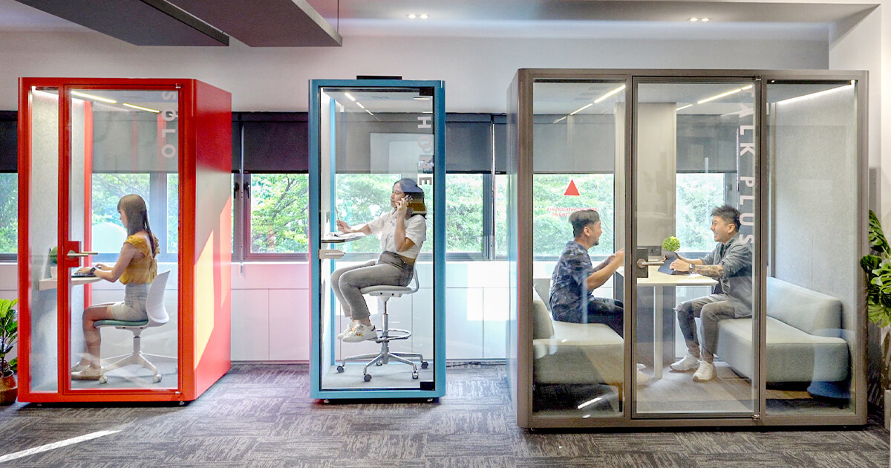
To improve secure digital access, CNMI is deploying privacy pods across three public institutions: Northern Marianas College (NMC), NMTECH, and the CNMI Public Library. Each pod supports 1–4 users and enables private access to telehealth, online learning, and job applications. The pods address challenges faced by individuals living in shared housing without private internet access.
The project includes procurement, installation, and maintenance, with BPD retaining ownership and oversight. The initiative was shaped through community input and digital equity planning and is expected to serve up to 6,000 individuals annually.
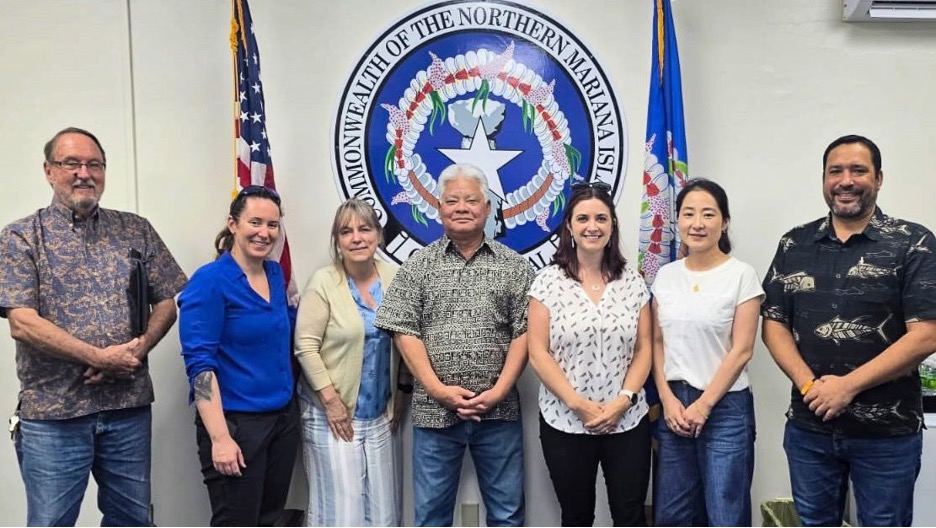
This program provides eligible CNMI veterans with laptops and digital literacy support to help them access essential services, stay connected, pursue education and employment, and participate fully in the digital economy.
Program Status & Rollout: The program was approved in December 2025, with planning and voucher distribution beginning shortly after. The laptop procurement process experienced delays due to multiple unsuccessful bids exceeding the approved project budget, as well as government closures following Typhoons Sinlaku and Bavi. The program was subsequently rebid with expanded vendor outreach, and bids within the approved project budget have now been received. The contract is currently undergoing the required approval process. Once a Notice to Proceed is issued, the selected vendor can begin procuring the laptops.
Approximately 1200 laptops are planned for distribution to eligible, registered CNMI veterans and manamkos. Participants will receive updates from the BPD website, social media and other news outlets once a confirmed procurement and delivery timeline is available.
To support participants, two Digital Navigators have been stationed at the Veterans Affairs Office and Manamko Center to provide hands-on assistance with laptop setup, digital literacy, and navigating online services—ensuring everyoneof all technical backgrounds can confidently engage in the digital space.
Contact information of Digital Navigators:
For Veterans: Tristine Ada, digital.nav.ada@gmail.com, (670) 287-2552
For Manamkos: Mary Jane Sikebert, digital.nav.mj@gmail.com, (670) 287-2551
The CNMI CPF strategy represents a transformative investment in the Commonwealth’s digital future. By integrating infrastructure, secure access points, and targeted device distribution with training, these projects address both the physical and social dimensions of the digital divide. This holistic approach will enable long-term economic growth, digital resilience, and improved quality of life for all CNMI residents.